Overview
The Power Delivery Module (PDM) is a power and protection module for low voltage devices on an EV. Instead of repeatedly splicing wires from the battery to each device, the PDM acts as a power hub for nearby devices. On the EV, there are 3 PDMs that provide power to various systems: one in the front behind the dash, one in the rear, and one in the High-Voltage battery itself. By doing this, we eliminate the need for multiple wire splices and simplify the wiring harness, while reducing the length of runs and saving weight.
Design
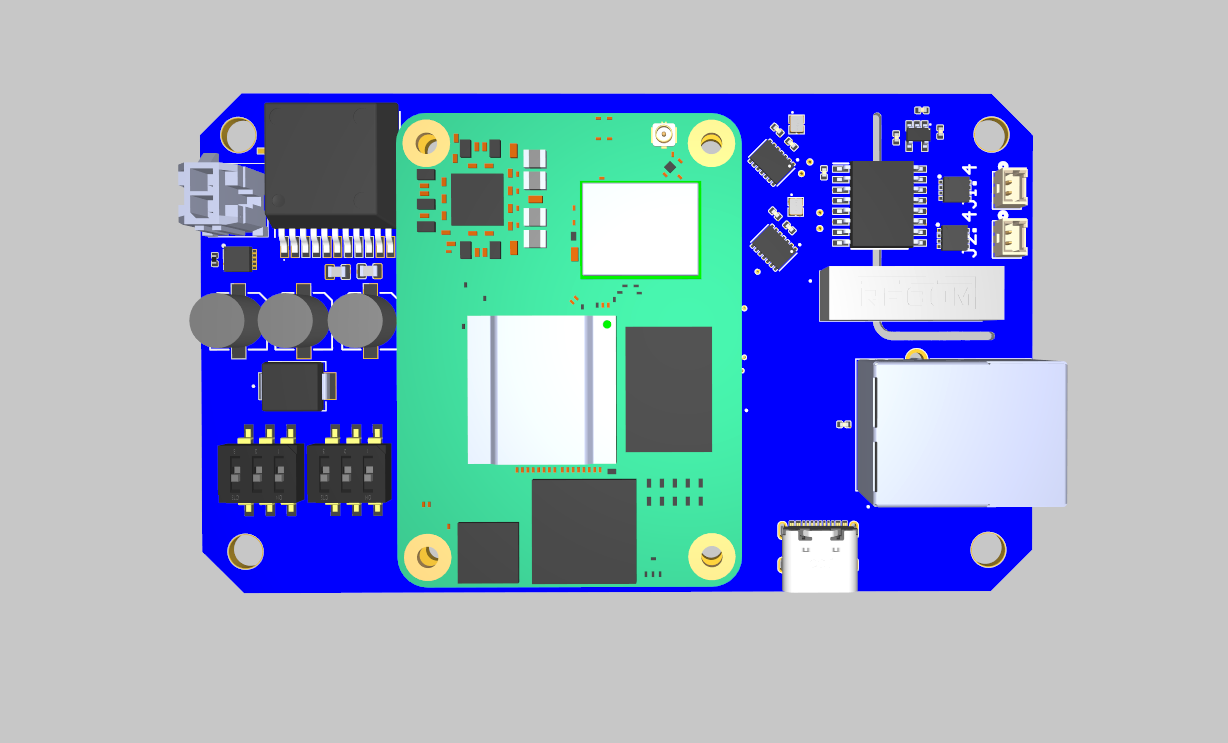
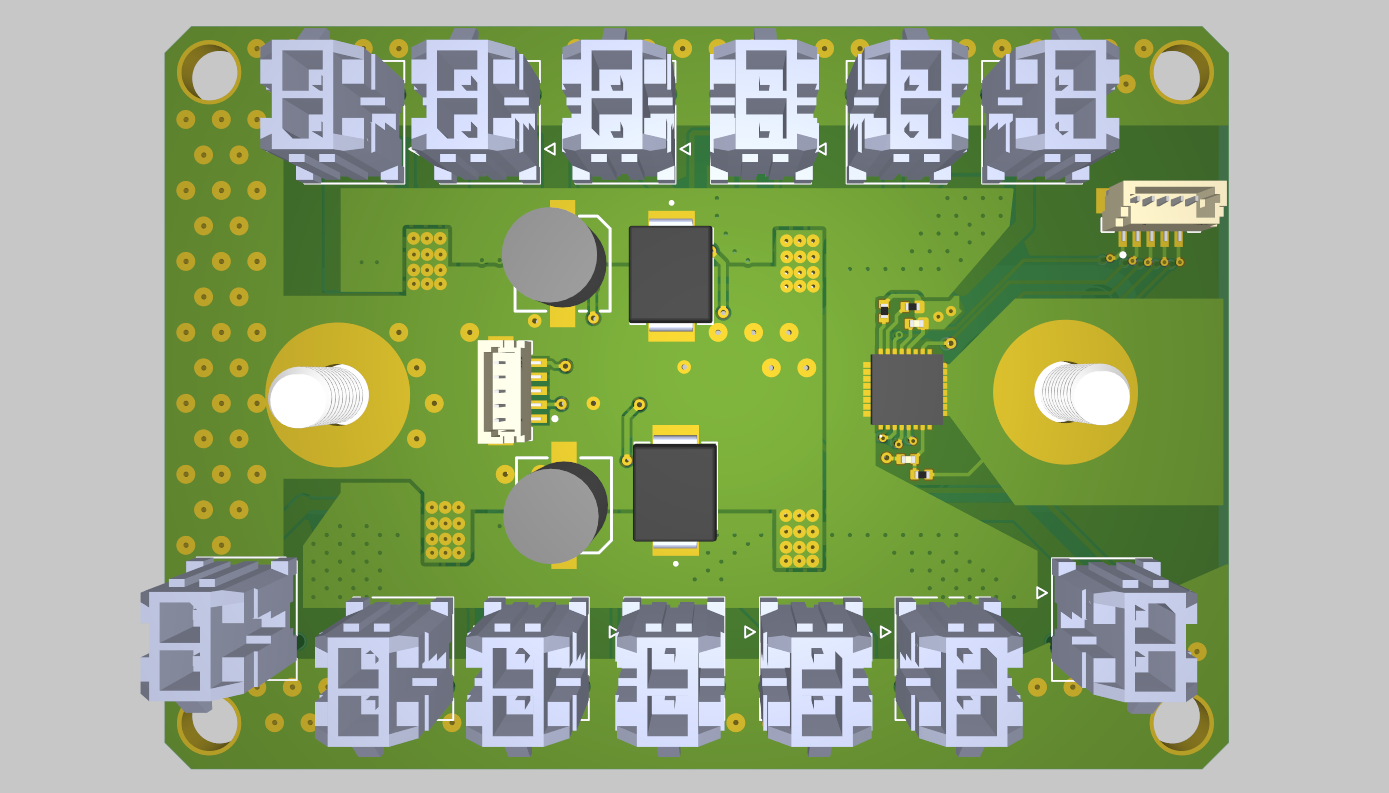
The actual PDM is mainly just a pcb with the following features:
- Efusing for each output device. (STM STEF12S or TI PTPS16850VMAR)
- Transient voltage suppression and Shottky diodes
- a GPIO expander IC to control output devices and measure faults from one I2C connection
- an ADC expander IC to measure device power draw
For the PCB, I use a special 2 layer, 2oz stackup from OshPark which is made for power delivery applications.
Firmware
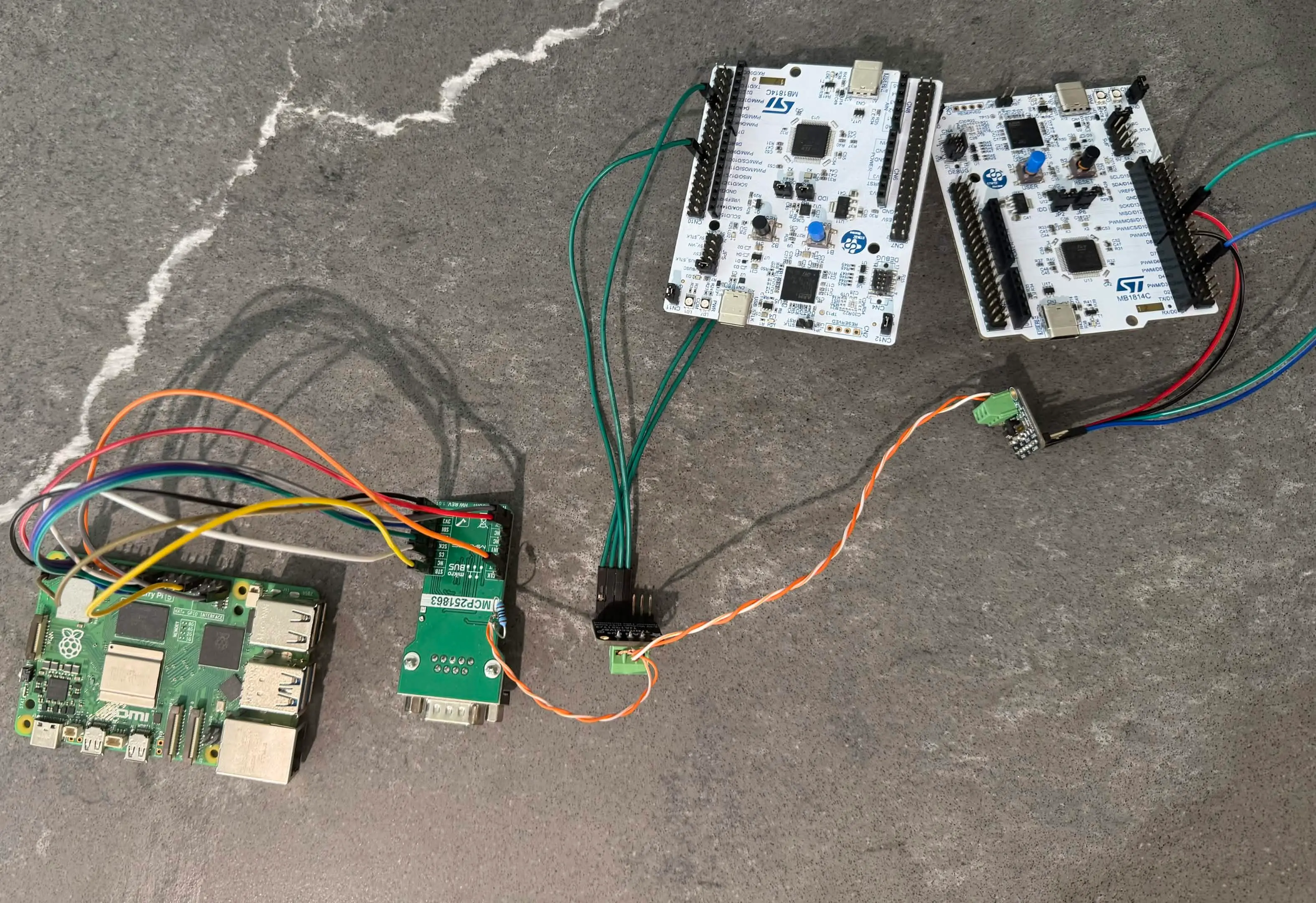
To control the PDM, the nearest DAQ node (see DAQ here) will send commands to the PDM over I2C. But further up stream, the VCU will send commands to the DAQ node to control the PDM over CAN. This lets us turn devices on and off remotely, as well as monitor faults.
Implementation
As I mentioned earlier, there are 3 PDMs on the vehicle. The first PDM is the only device that connects to the vehicle’s low-voltage battery, while the other two PDMs connect to the first one. This allows me to measure the total power draw from all devices connected to the vehicle. With this data, we can better understand the power consumption of the vehicle and optimize our device selection and power consumption for the next years design.
Results
Right now, we are waiting for the PDM pcbs to arrive. Once they do, I will do thorough testing and update this page.